Digital Filing
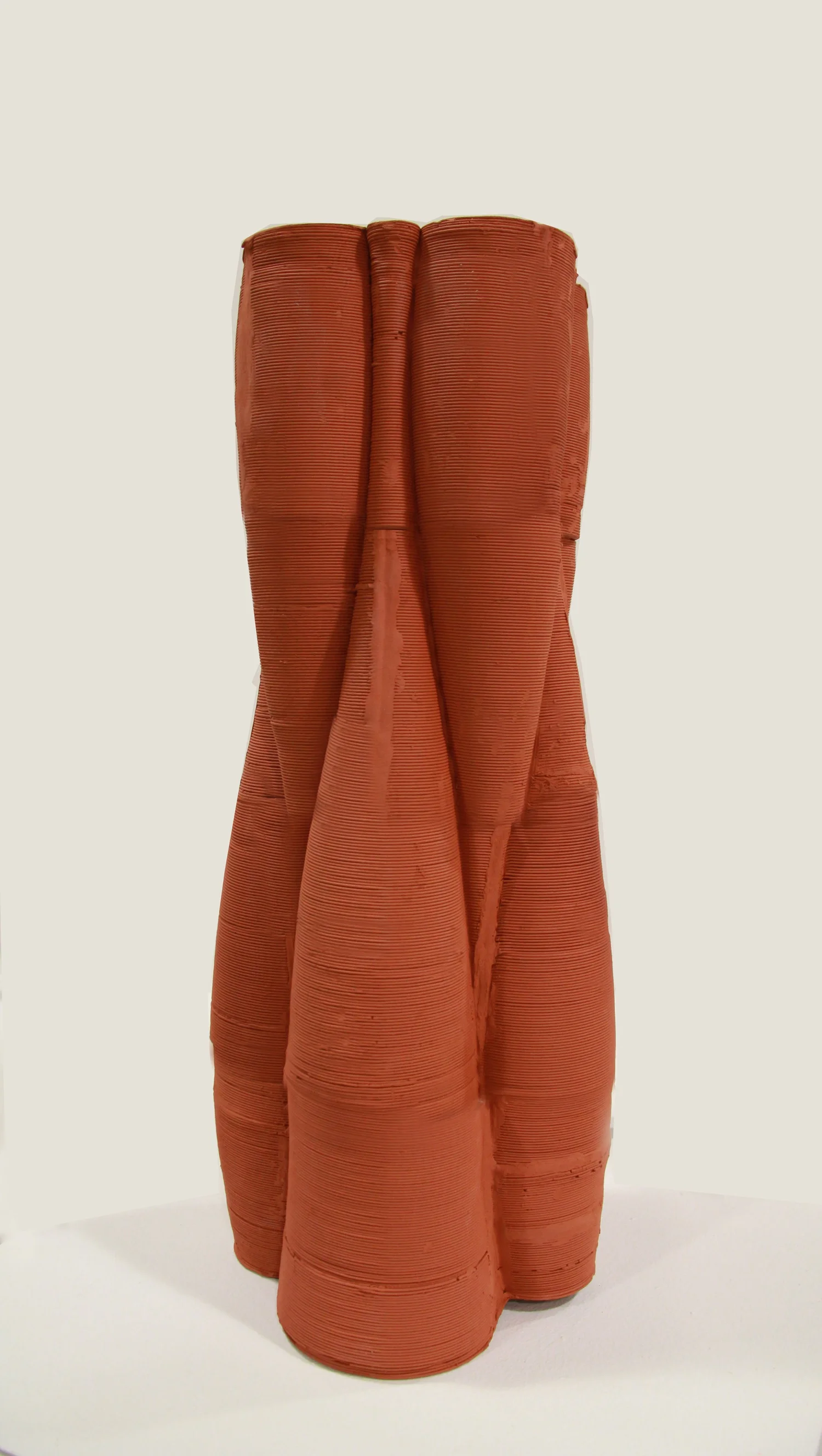
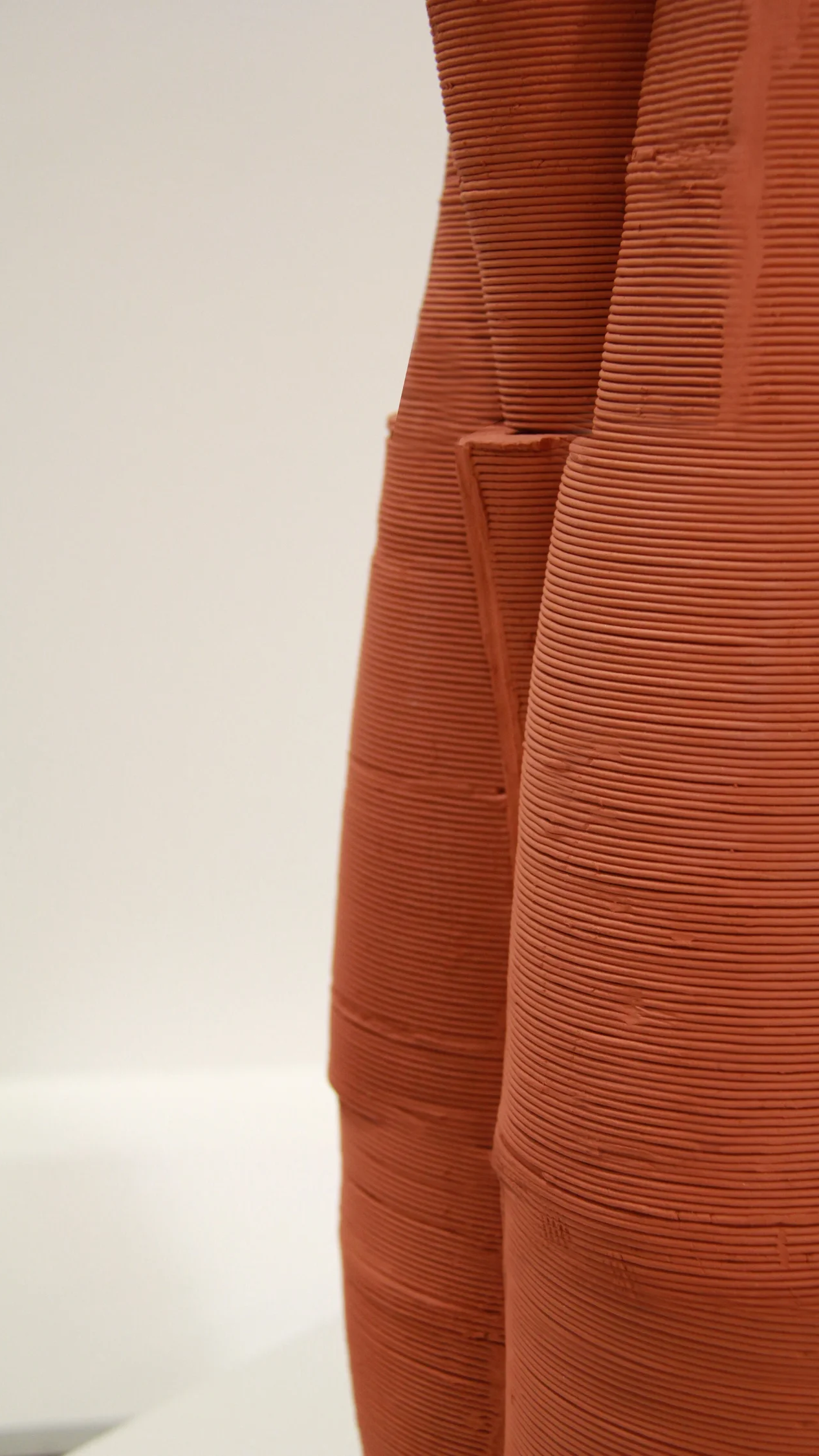
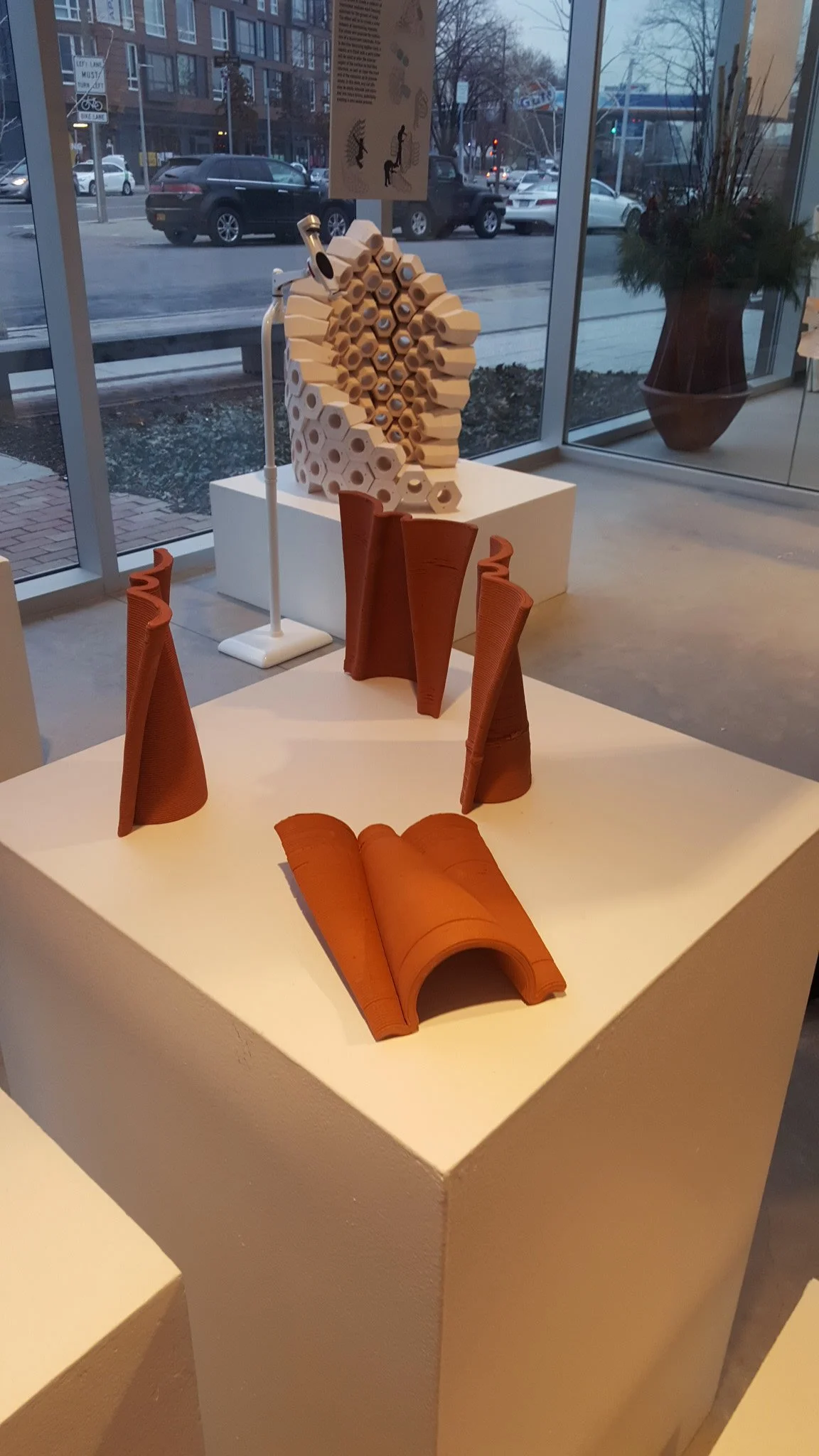
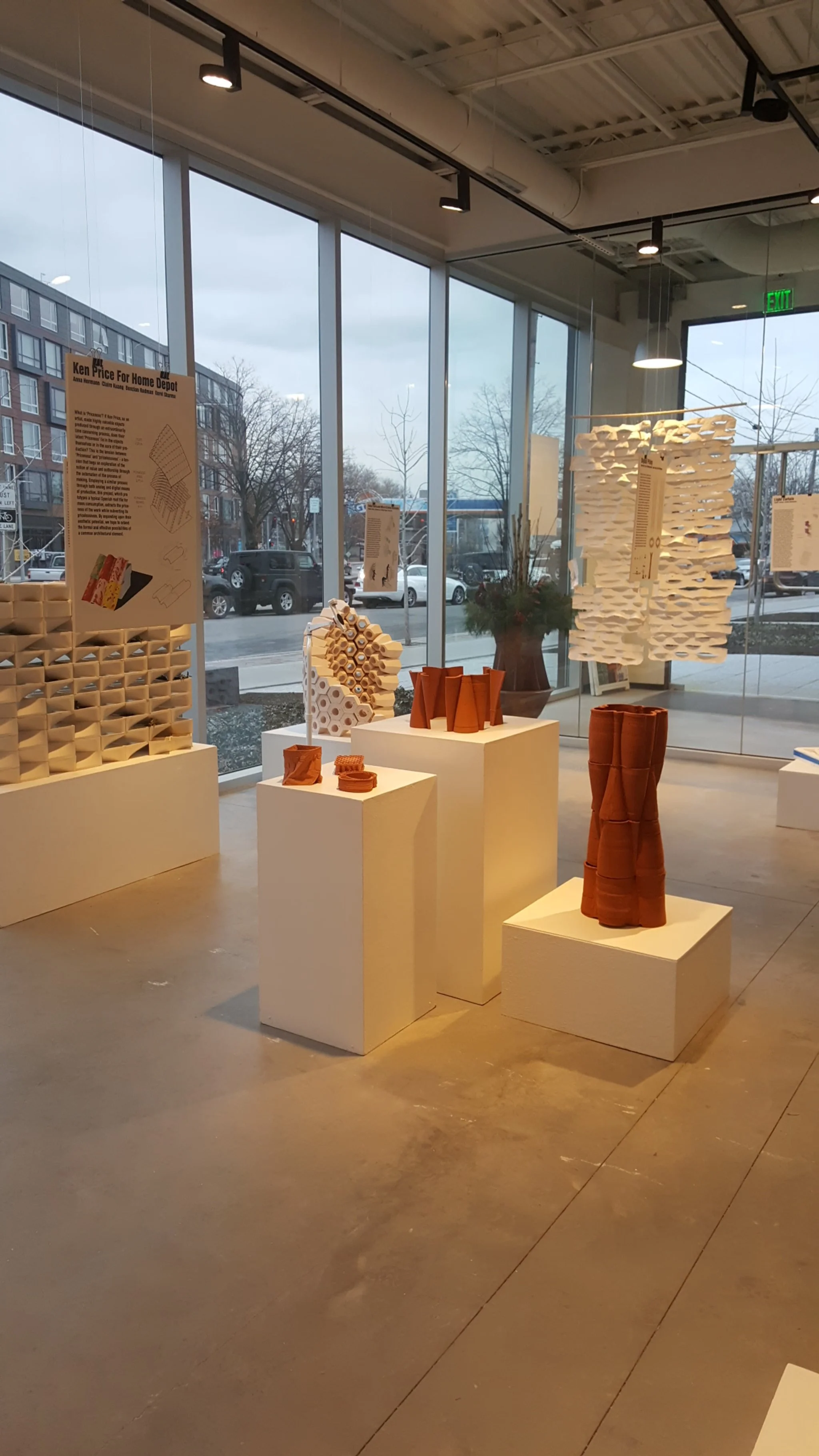
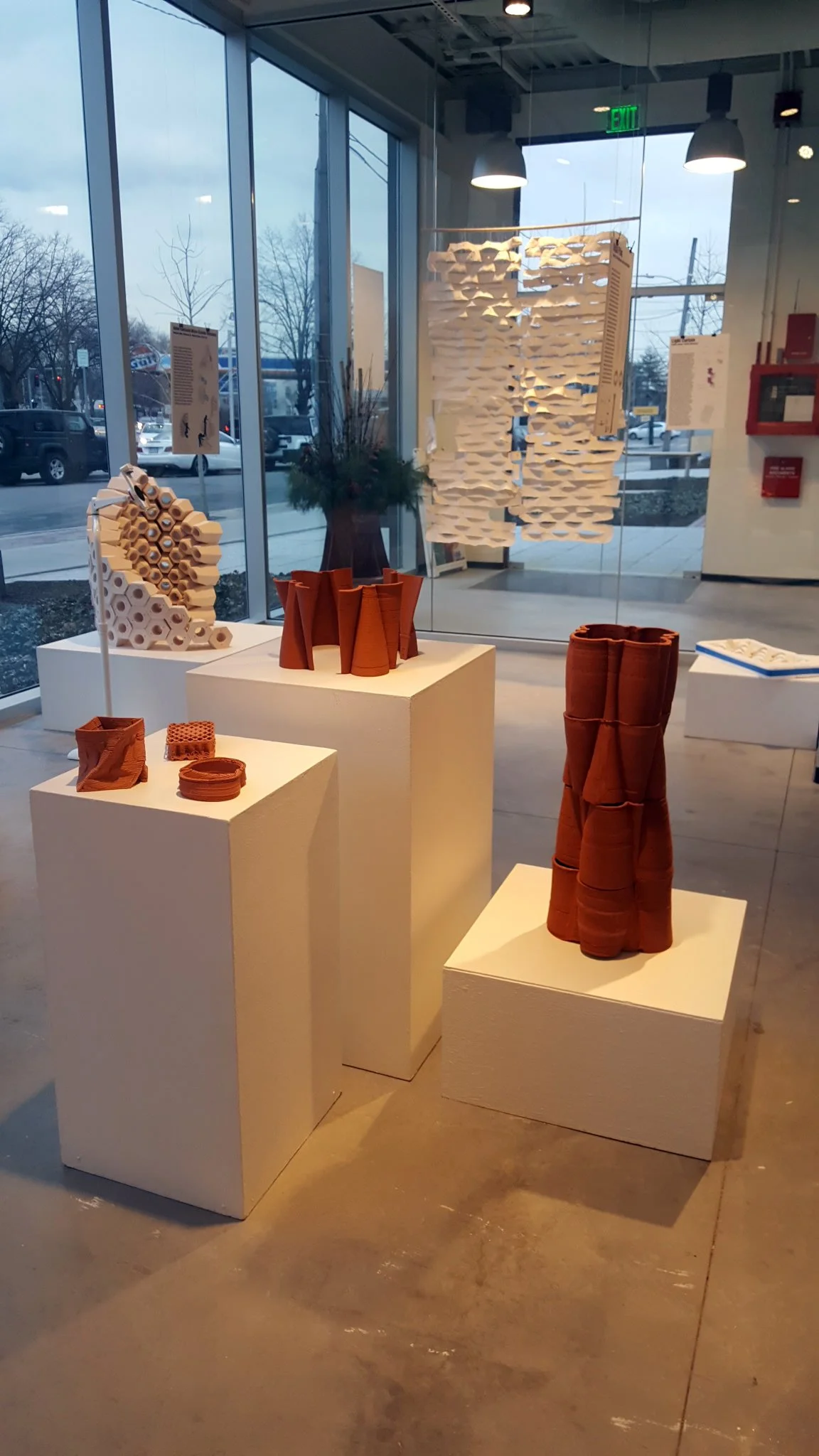
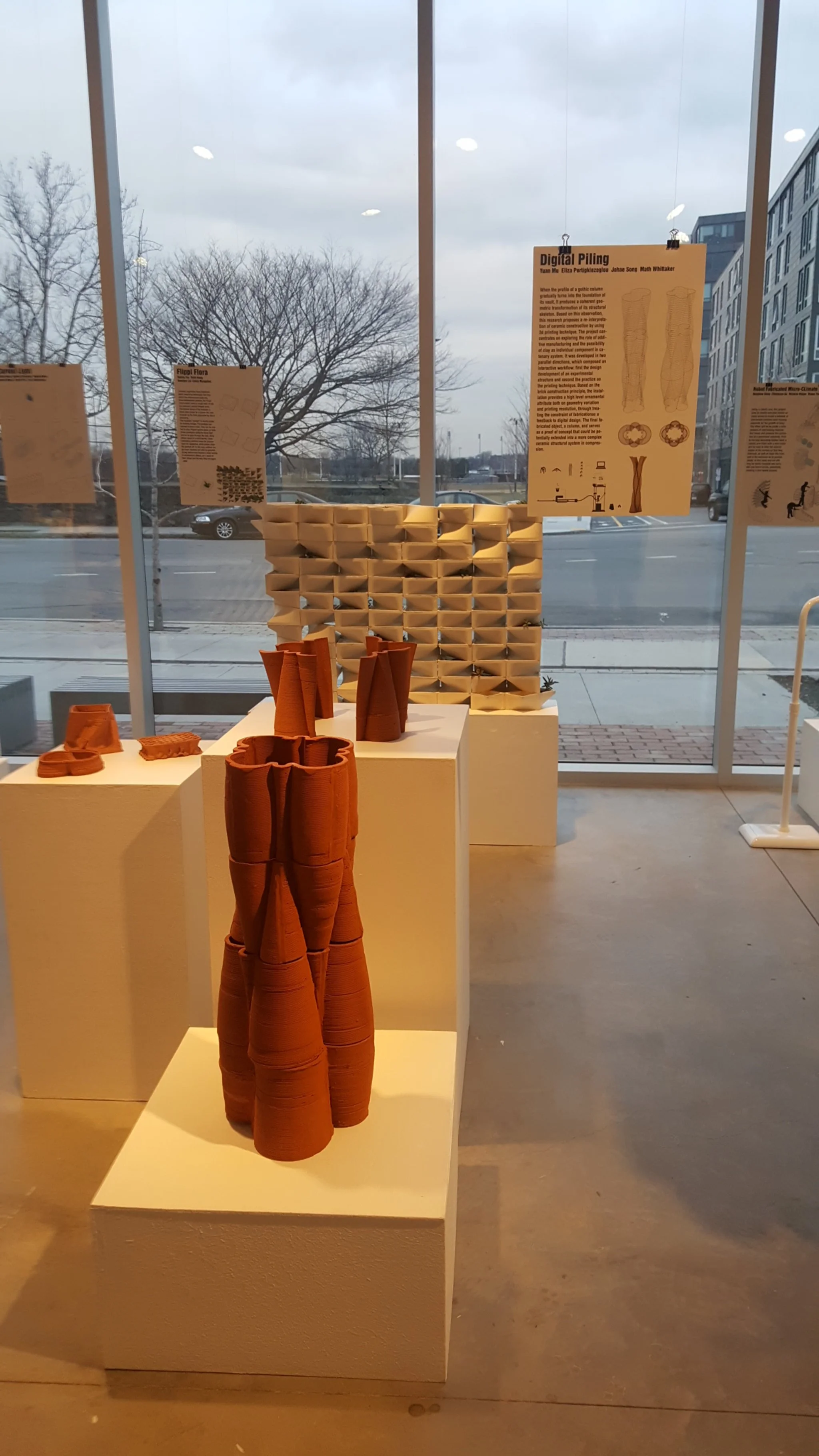
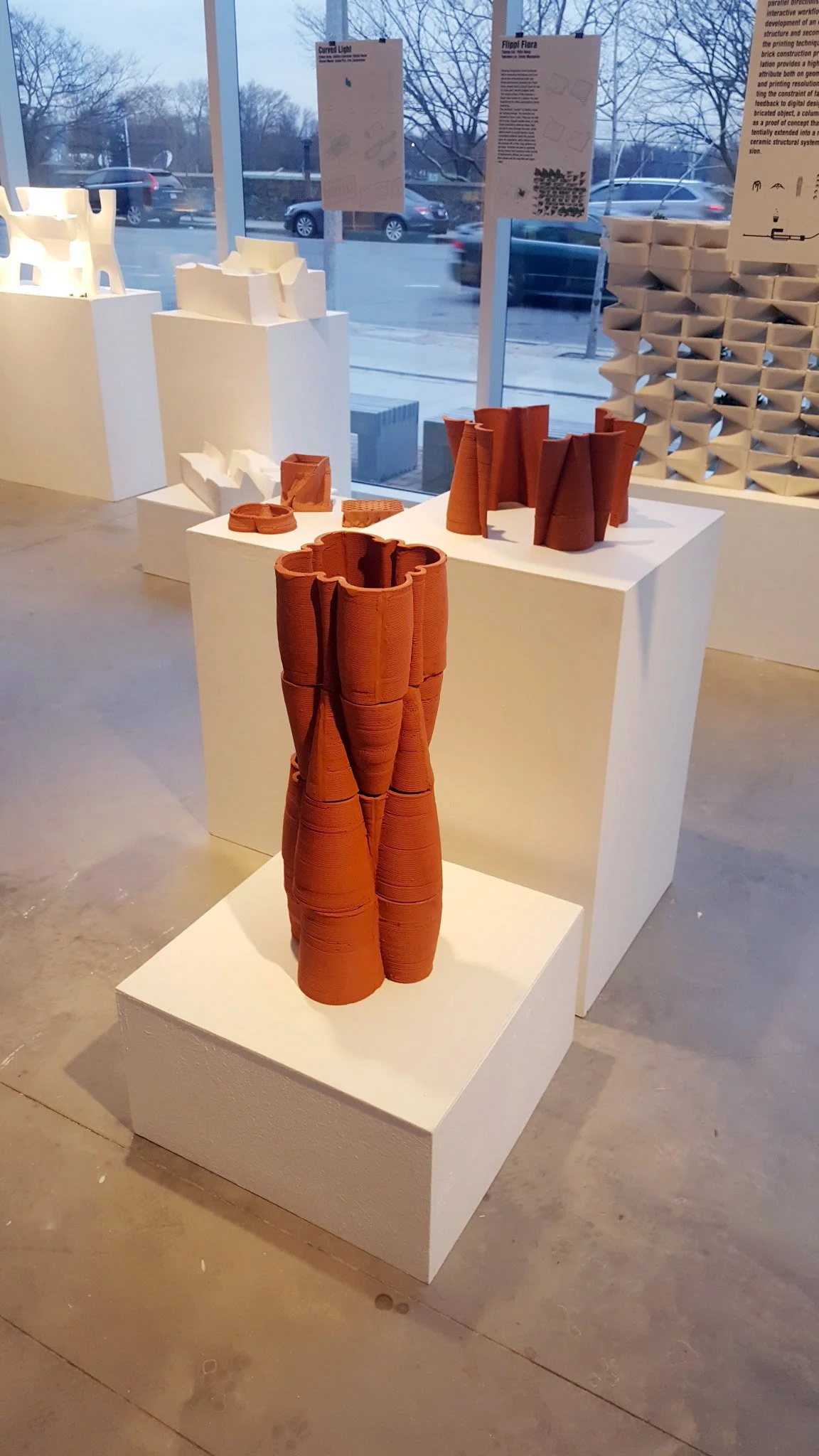
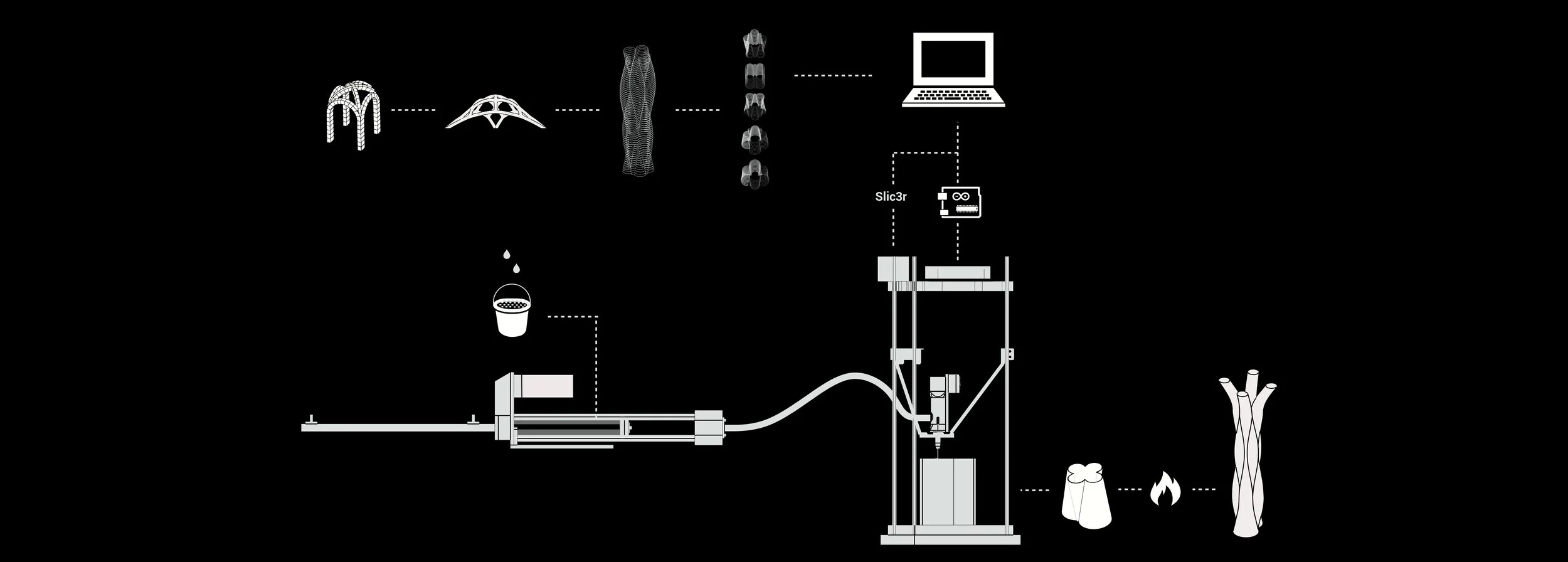
When the profile of a gothic column gradually turns into the foundation of its vault, it produces a coherent geometric transformation of its structural skeleton. This research proposes a re-interpretation of ceramic construction using 3D printing.
The project explores additive manufacturing and clay as an individual component in a catenary system — treating the constraints of fabrication as feedback for digital design, following brick-construction principles.
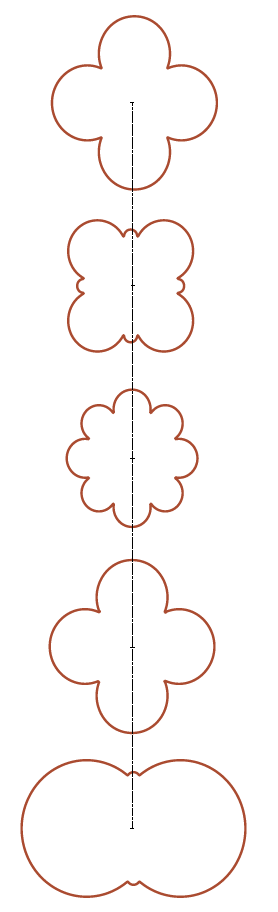
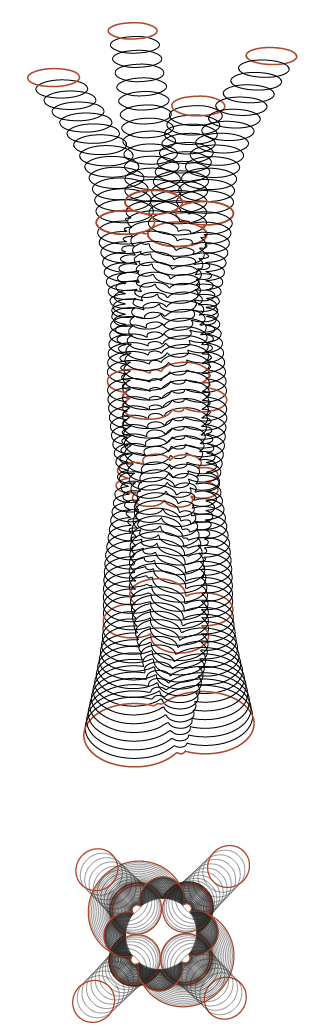
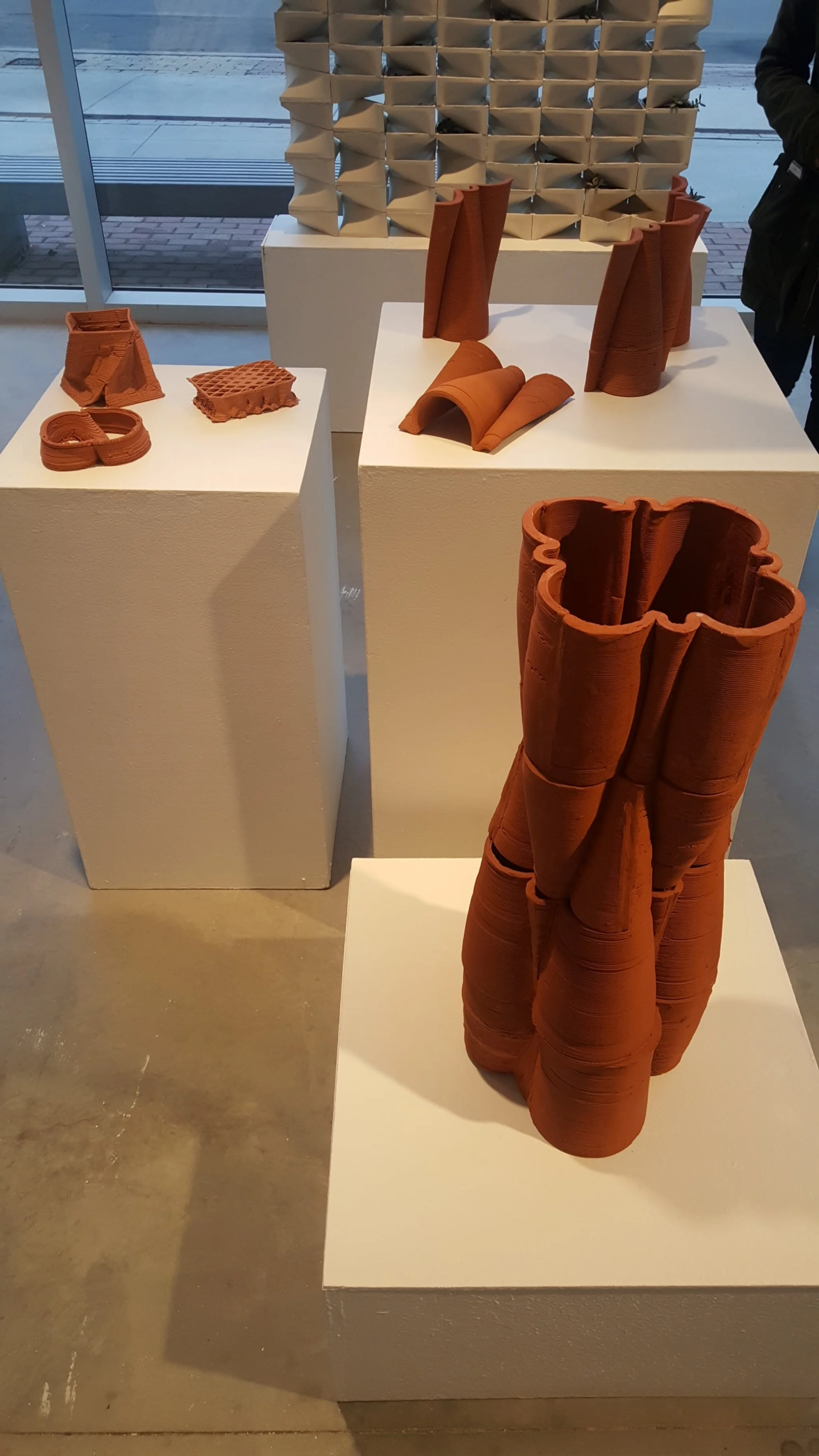
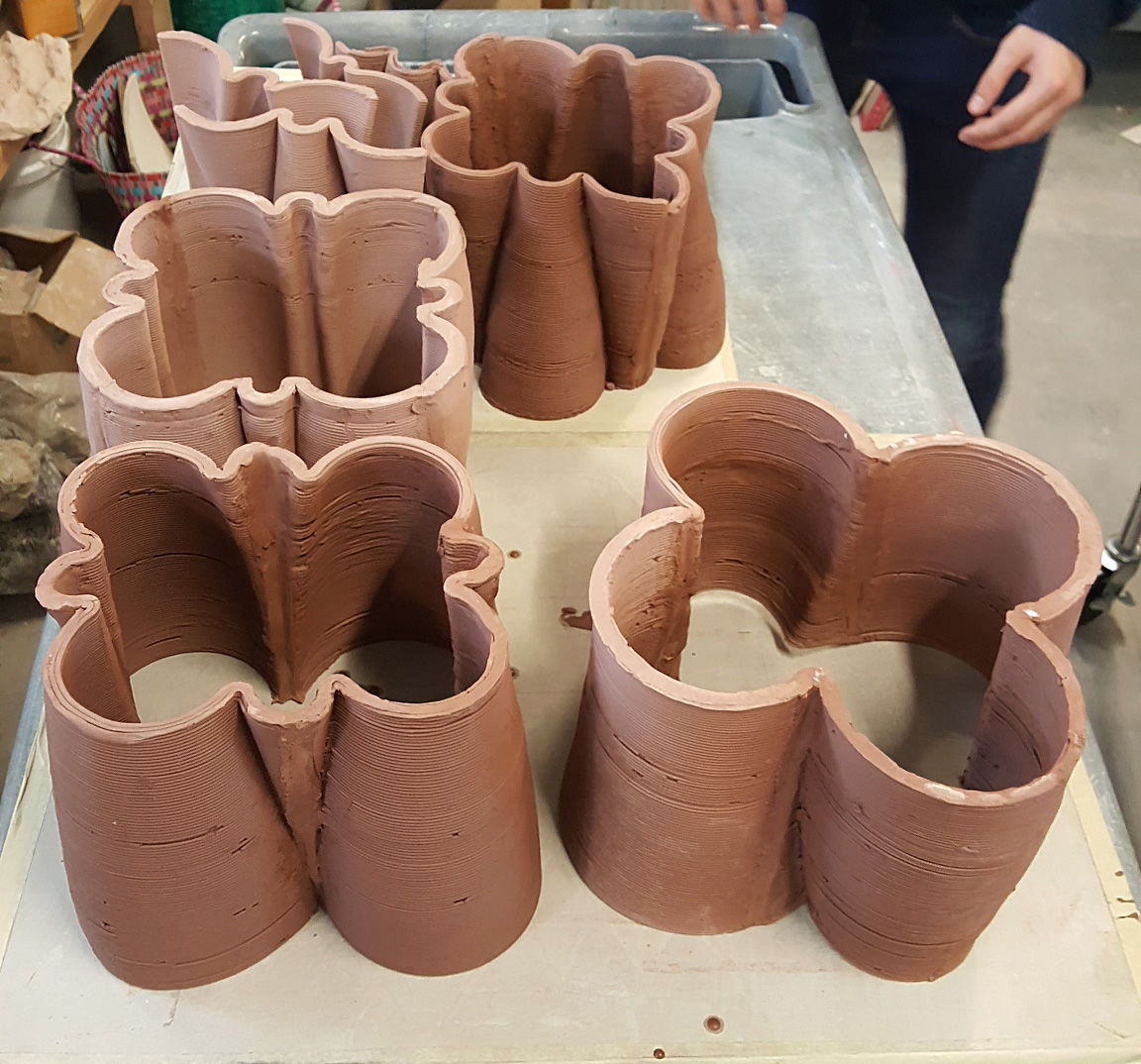
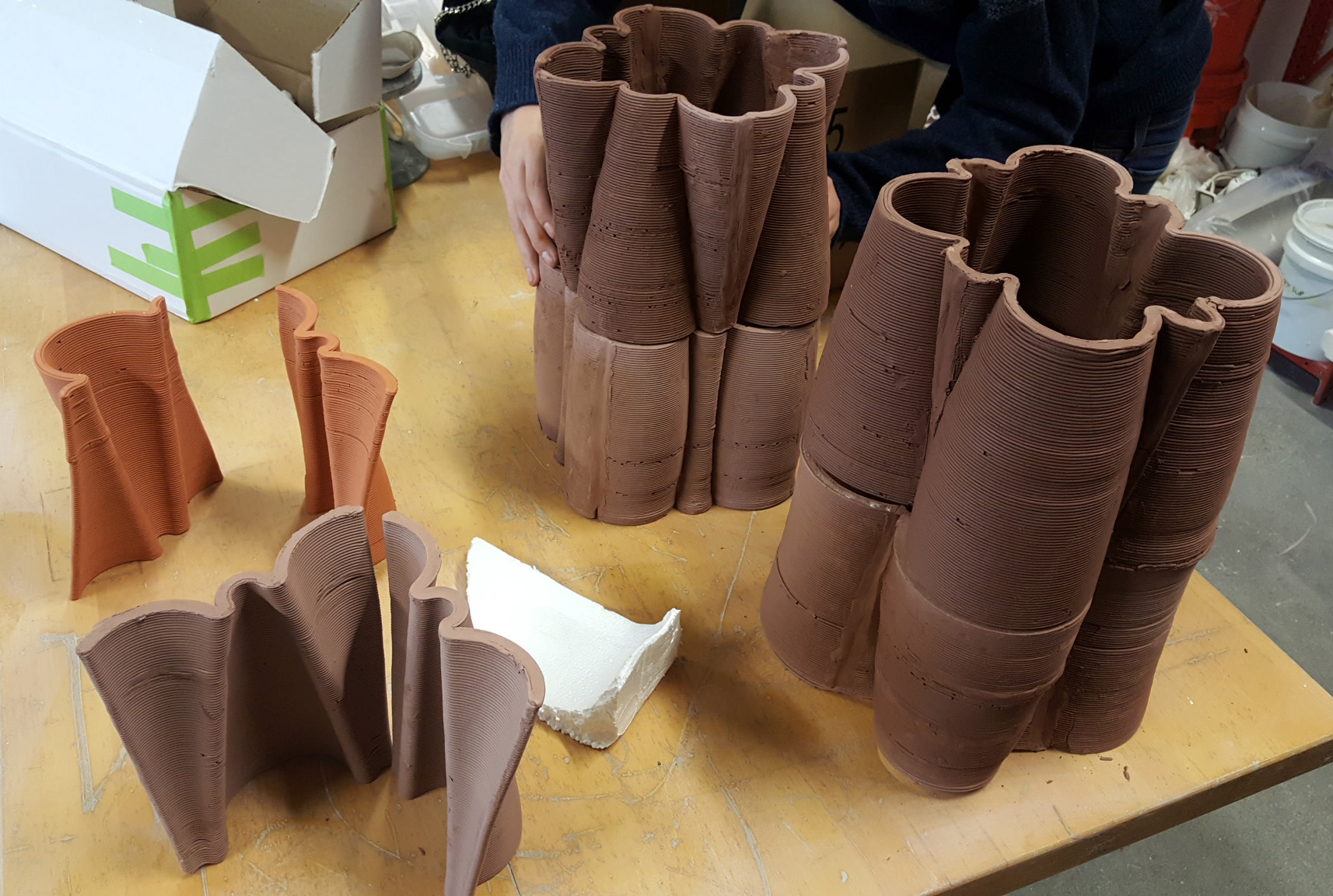
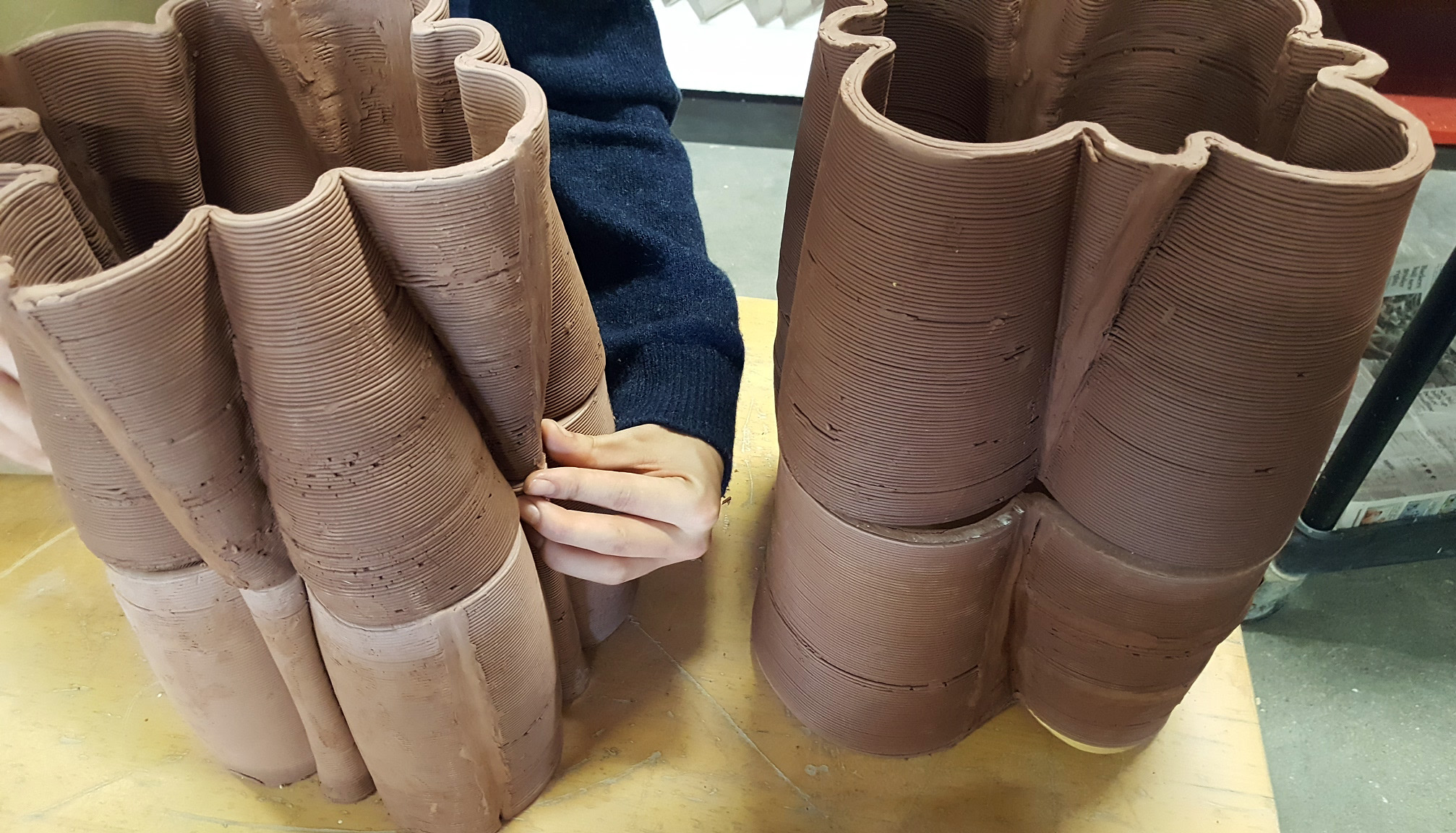
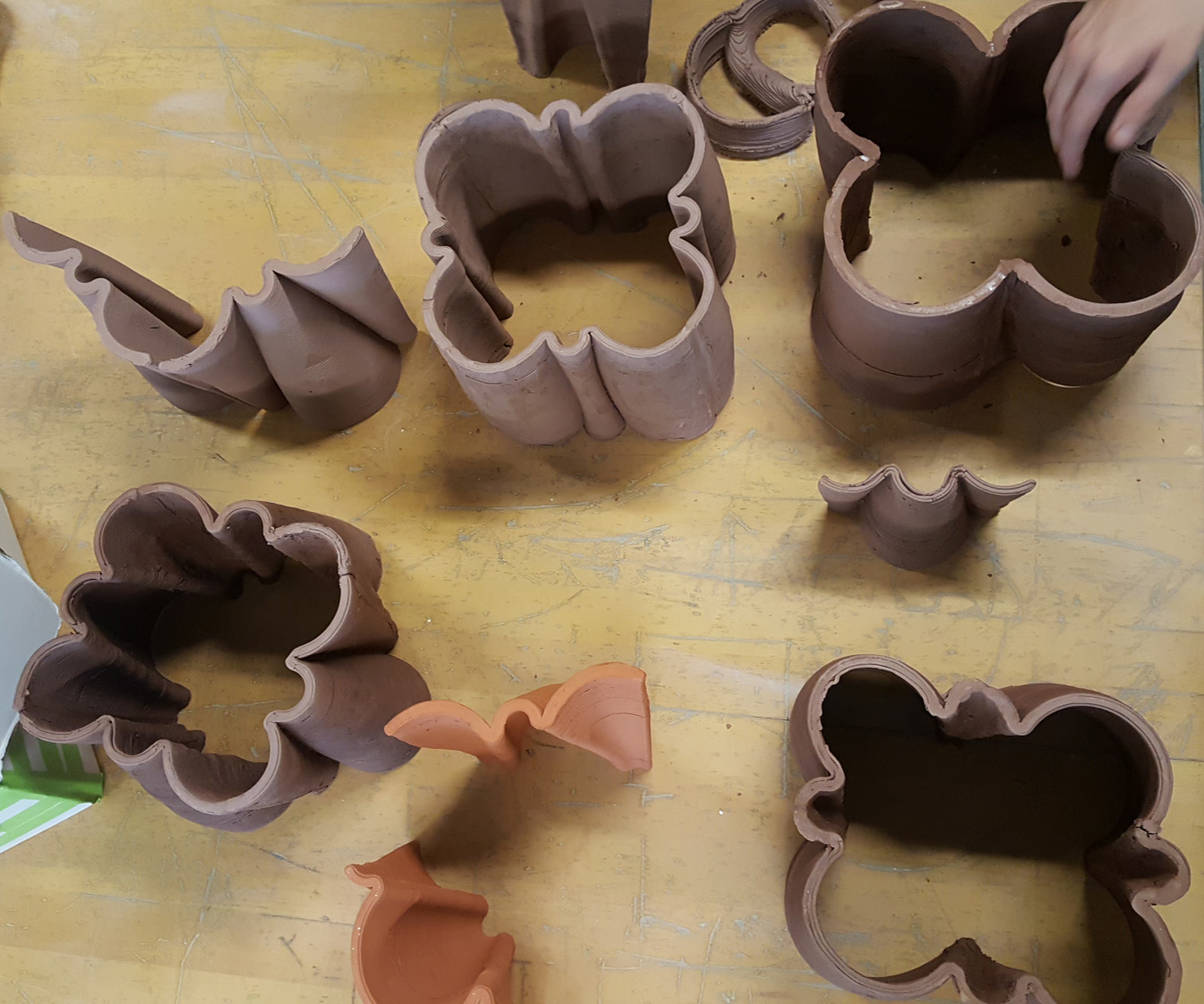
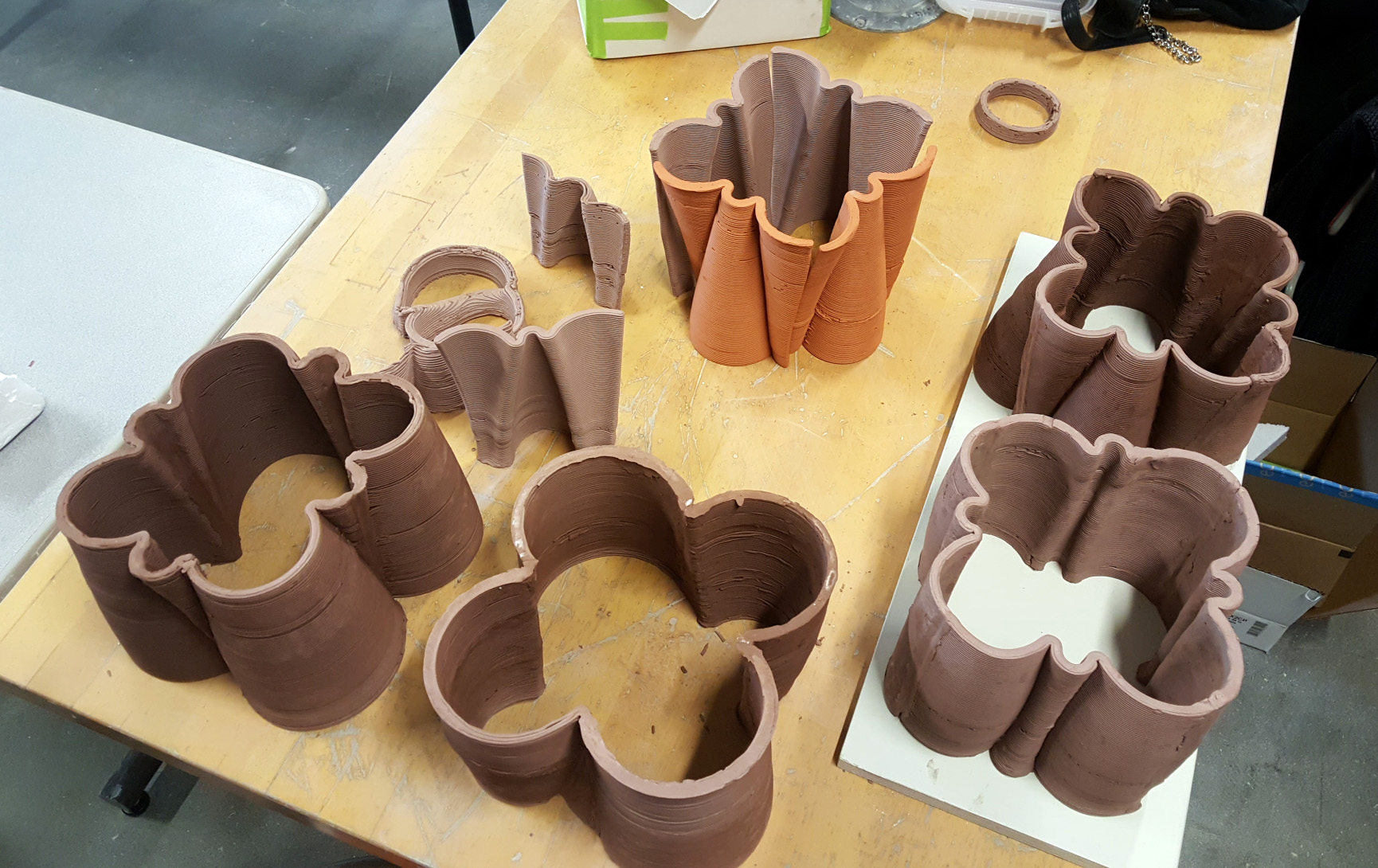
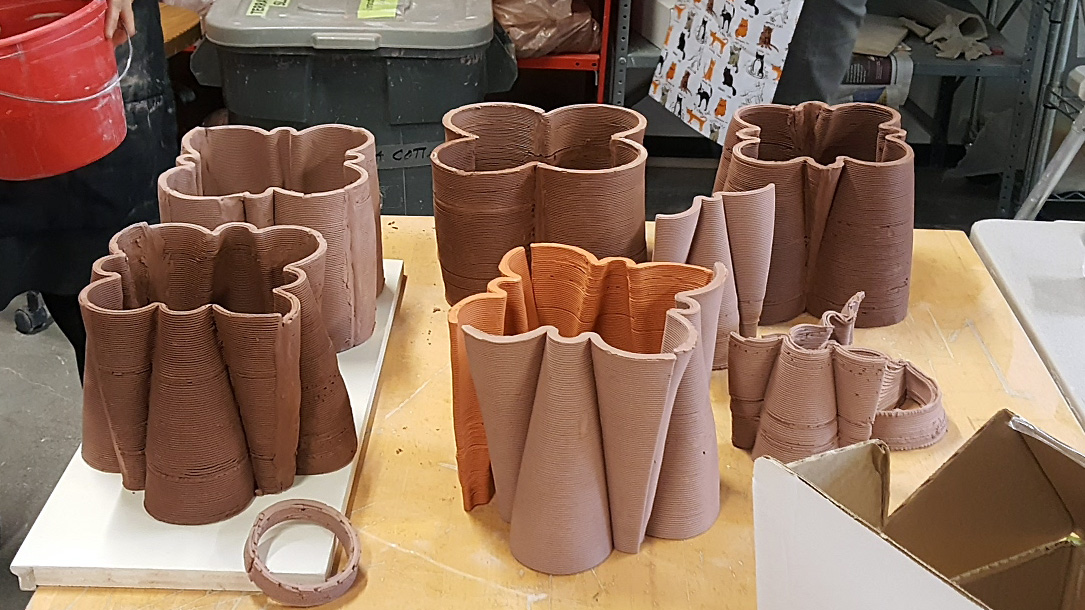
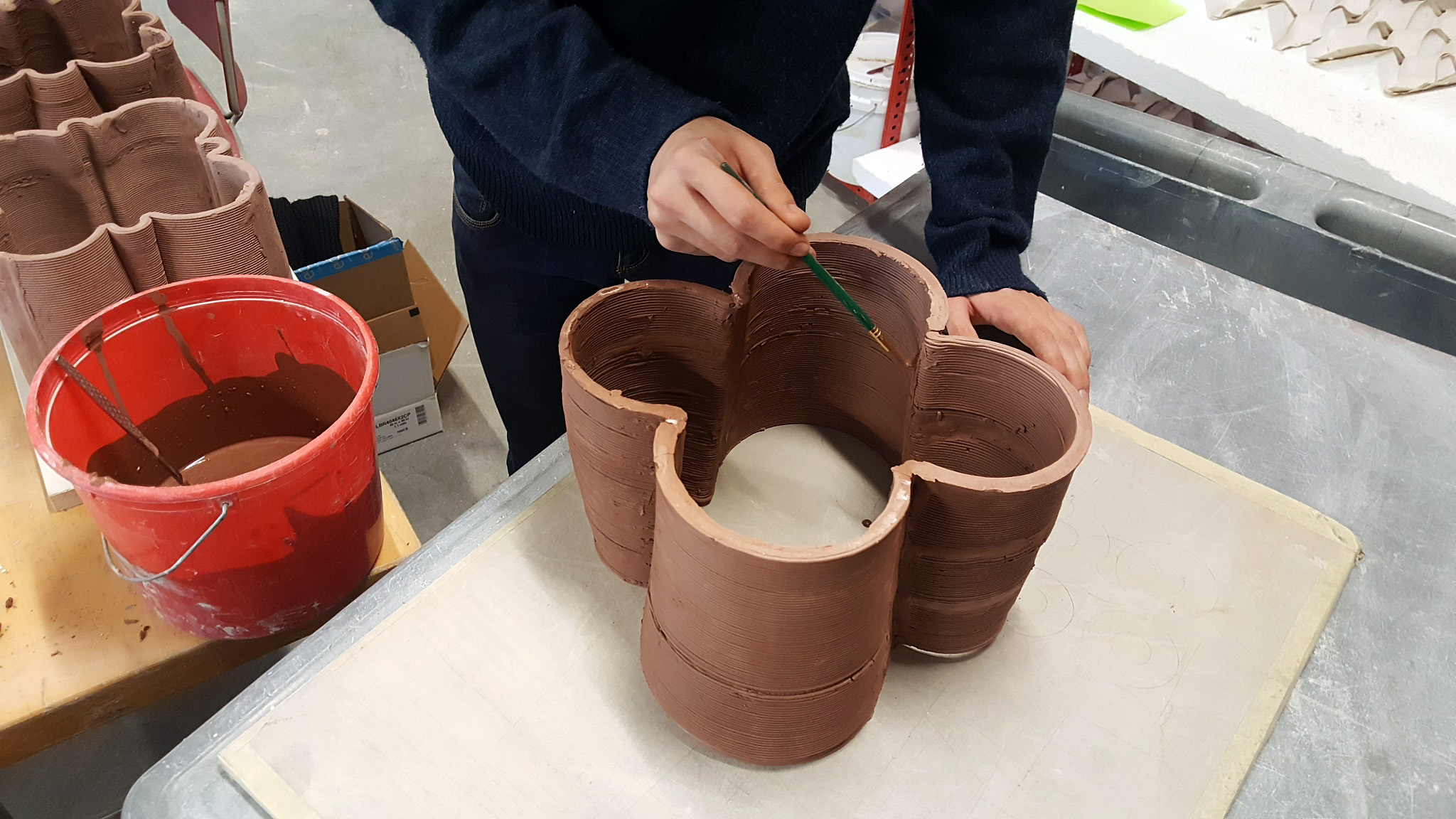
Three test bricks probed tool path, print time, and cantilever behavior before converging on a circular profile; the final design used tangent circles around an octagonal base to evolve from two to four, and four to eight circles — embedding structural logic into texture and form.
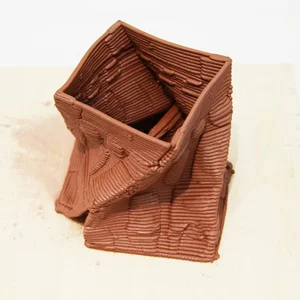
Random retrack pattern from the tool path; the double cantilever began to collapse as the print went up.
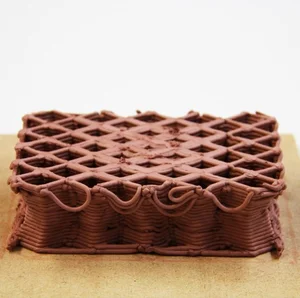
Denser retrack held the shape further up the print, at the cost of longer print time.
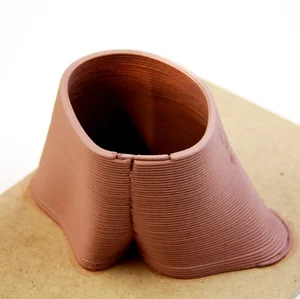
Circular profile distributed the cantilever load evenly, holding through the full print.
.jpg)
.jpg)
.jpg)
.jpg)
.jpg)
.jpg)
.jpg)
.jpg)
Alongside structural studies, we explored non-standard, non-structural geometries inspired by Gothic columns to push the limits of 3D printing. Using tangent circles around an octagonal base, we created profiles that evolve from two to four, and four to eight circles — embedding structural logic into texture and form through controlled geometric transformation.